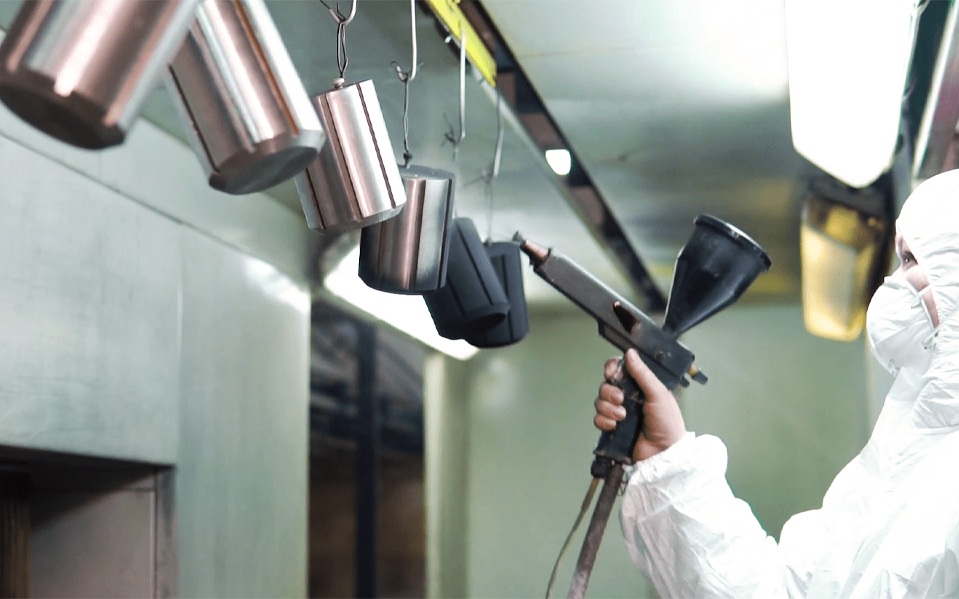
Un gerente de mantenimiento en un complejo de apartamentos de 120 unidades compra lo que el catálogo llama una escalera de piscina para discapacitados, la atornilla a la terraza junto a una sección de escalón existente y pasa la inspección. Seis meses después, la placa de anclaje muestra manchas de óxido, una banda de rodadura se ha agrietado en la punta de soldadura y un residente con movilidad limitada todavía necesita que una segunda persona salga del agua. Nada en esa escalera era defectuoso en el sentido del catálogo. Simplemente fue especificado para el deber equivocado. Una escalera de piscina para discapacitados no es un pasamanos atornillado a un escalón. Es un dispositivo de salida con clasificación de carga y referencia de código que tiene que transportar a un adulto mojado con un centro de gravedad cambiante, sobrevivir al agua clorada durante una década y coincidir con las dimensiones de alcance y agarre que una persona con fuerza o equilibrio limitados realmente puede usar. Cuando esas cuatro cosas son correctas, el producto funciona. Cuando uno de ellos está equivocado, nada más en la especificación lo salva. Las secciones siguientes cubren los números, las opciones de materiales y los detalles de fabricación que deciden el resultado. Comience con los cuatro números que deciden si una escalera funciona Antes de tipo, proveedor o precio, cuatro medidas controlan si un adulto con limitación de movilidad puede entrar y salir del agua sin ayuda. Estos provienen de los Estándares de Diseño Accesible de la ADA de 2010, que es el punto de referencia con el que se miden la mayoría de las piscinas comerciales, hoteles, piscinas terapéuticas e instalaciones municipales. Diámetro exterior del pasamano de 32 mm a 38 mm, o de 1,25 a 1,5 pulgadas. Un riel demasiado grueso no puede cerrarse con una mano pequeña o artrítica, y uno que es demasiado delgado corta la palma cuando el usuario transfiere el peso corporal. Altura del pasamano de 760 mm a 965 mm, o de 30 a 38 pulgadas, medida por encima del borde de la escalera en lugar de por encima de la superficie de la plataforma. Peldaños de 254 mm a 279 mm de profundidad, o de 10 a 11 pulgadas, con contrahuellas de 178 mm a 190 mm, o de 7 a 7,5 pulgadas. Los peldaños más profundos alejan el último escalón del riel, y los menos profundos fuerzan un movimiento de paso que muchos usuarios no pueden repetir de manera segura. Clasificación de carga. Las escaleras residenciales suelen tener una clasificación de 136 kg o 300 lb. Las instalaciones comerciales, de alquiler y hoteleras deben especificarse en 181 kg o 400 lb o más, debido al uso diario repetido y al peso adicional de la ropa mojada y la asistencia de rescate. Un quinto número nunca aparece en el dibujo pero es igualmente importante: la extensión del carril. El pasamano debe continuar al menos 305 mm, o 12 pulgadas, horizontalmente más allá del escalón superior para que el usuario pueda levantarse después del último paso en lugar de soltar el pasamano mientras todavía se inclina hacia adelante. Hacer coincidir el tipo de escalera con la piscina Las normas ADA de 2010 exigen dos medios de entrada accesibles para piscinas con más de 300 pies lineales de pared, y el principal debe ser un ascensor o una entrada inclinada. Normalmente, una escalera o un tramo de escalera sirve como ruta secundaria. Esa distinción es importante al momento de la compra, porque determina si una escalera de catálogo estándar es aceptable o si la instalación necesita una sección de escalera más ancha con dos rieles y peldaños más profundos. Tabla 1: Tipos de escaleras y escaleras según construcción de piscina, con el modo de falla al que es propensa cada una. Tipo Instalación típica Especificación clave Fallo común Escalera fija de acero inoxidable, de dos a cuatro peldaños. Piscinas enterradas de hormigón y gunita Tubo 304 o 316, casquillos de anclaje para cubierta, marco adherido Corrosión en el casquillo cuando la penetración de la plataforma no está sellada Escalera elevada con bridas para plataforma y riel superior Piscinas con revestimiento vinílico, alquileres de temporada, alquileres vacacionales. Placa de brida de 3 mm a 4 mm, pared del tubo de al menos 1,5 mm La brida se flexiona y se agrieta cuando se utiliza un tubo de pared delgada con un tramo largo Amplia sección de escalera con pasamanos dobles Hoteles, piscinas terapéuticas, piscinas comunitarias y escolares Peldaños de 10 a 11 pulgadas, contrahuellas de 7 a 7,5 pulgadas, dos rieles Alturas desiguales de la banda de rodadura después de volver a nivelar o colocar baldosas en una plataforma Escalera removible o abatible Pequeñas piscinas residenciales, alquileres a corto plazo. Enchufes de liberación rápida, inserciones con llave, fijaciones antirrobo Enchufes faltantes o hardware mixto después del almacenamiento en invierno Grado de acero inoxidable, acabado de soldadura y por qué el buen acero aún se oxida El agua de la piscina no es sólo agua. Las cloraminas, la dureza del calcio, la sal de un clorador de agua salada y las dosis de choque ocasionales atacan al acero inoxidable y atacan rápidamente el grado incorrecto. La regla que evita la mayoría de los reclamos de garantía es breve: 304 para piscinas de agua dulce protegidas y bien mantenidas, y 316 dondequiera que haya sal, altos niveles de cloramina o aire costero. Tabla 2: Selección de materiales según la química del agua, la exposición y la expectativa de vida útil. Materiales donde conviene Uso típico 304 inoxidable Piscinas cloradas estándar, bajas en sal, enjuagues y cubrimientos de rutina Pasamanos, peldaños, enchufes para terraza. Acero inoxidable 316 o 316L Piscinas de agua salada, generadores de cloro salino, zonas costeras, dosificación intensa Pasamanos, peldaños, soldaduras, sujetadores. Dúplex 2205 Aguas con alto contenido de cloro o salobre, piscinas industriales y de proceso. Servicio donde 316 boxes en unas pocas temporadas Acero con recubrimiento en polvo Zonas secas interiores y marcos decorativos. No recomendado para contacto permanente con manos mojadas. Dos detalles del procesamiento deciden si una buena calificación sigue siendo buena. El primero es el tinte térmico de soldadura. Las soldaduras TIG en acero inoxidable dejan una película de óxido gris o azul que ya ha consumido el cromo que la aleación necesita para su protección, por lo que si el tinte no se cepilla, decapa o pasiva, las picaduras comienzan en la punta de la soldadura mucho antes de que comiencen en cualquier otro lugar del tubo. El segundo es la contaminación por hierro, donde el polvo del pulido o un cepillo de acero al carbono incrustan hierro libre en la superficie. Eso se oxida y generalmente se informa como un defecto del material más que como un error de manipulación. Los compradores que quieran comprender cómo estos pasos de acabado afectan el desgaste y la apariencia a largo plazo pueden leer esta nota en Cómo el tratamiento de superficies reduce la fricción y el desgaste en piezas dobladas . Cómo se construye realmente un kit de escalera personalizado La mayoría de las escaleras de piscina para discapacitados son conjuntos en lugar de piezas individuales. Una unidad típica contiene dos o tres tubos doblados, tres o cuatro peldaños formados, dos placas de brida de plataforma, casquillos de anclaje y un juego de sujetadores. Los distribuidores que necesitan una versión de marca privada, un ancho no estándar o un ángulo de plataforma específico generalmente los compran como un kit, lo que significa que el proveedor tiene que controlar el doblado de tubos, la soldadura, el estampado de placas, el acabado de superficies y el embalaje bajo un mismo techo en lugar de adquirirlos en cuatro talleres diferentes. Curvado de tubos y marcos soldados. La geometría del riel es donde comienzan la mayoría de los problemas de ajuste. Un tubo de 38 mm doblado hasta un radio central de 100 mm se comporta de manera muy diferente que el mismo tubo doblado hasta un radio de 60 mm, y el radio más pequeño necesita un mandril o la pared se adelgaza en el exterior del doblez. Para los rieles de la piscina, un espesor de pared de 1,5 mm a 2 mm es normal, y la unión soldada entre el riel vertical y la brida de la plataforma debe penetrarse completamente, luego revestirse y pasivarse. Los proveedores que combinan doblado, soldadura y recubrimiento en un solo flujo de producción evitan el problema habitual de un riel que sale recto de la dobladora y se tuerce después del recubrimiento. Piezas personalizadas de marco de metal con recubrimiento en polvo, doblado y soldado Componentes de estructura metálica personalizados que utilizan doblado, soldadura y recubrimiento en polvo, para proyectos donde la alineación de rieles, el acabado y las conexiones estructurales necesitan una fabricación consistente. Ver producto → Peldaños y placas de montaje. Las bandas de rodadura suelen estar estampadas o extraídas de una lámina de acero inoxidable de entre 1,5 mm y 3 mm de espesor, a las que luego se les aplica un patrón en relieve o una perforación antideslizante. Las placas de montaje y las arandelas de refuerzo se producen frecuentemente en prensas con capacidades desde 4T hasta 1000T, lo que permite a un solo proveedor ejecutar placas cosméticas delgadas y soportes estructurales pesados en el mismo proyecto. Cuando las placas se trefilan en lugar de estamparse planas, la rigidez adicional puede eliminar la necesidad de una placa de respaldo separada detrás de la plataforma, lo que reduce tanto el número de piezas como el tiempo de instalación. Una línea de estampado y doblado de acero inoxidable es el punto de partida práctico para este tipo de trabajo. Piezas personalizadas para estampado y doblado de chapa metálica Fabricación de estampado y doblado OEM para piezas de acero al carbono, acero inoxidable o aluminio, relevante donde los peldaños y las placas de montaje requieren un conformado confiable. Ver producto → Soportes y herrajes de anclaje Las piezas pequeñas son las que fallan en servicio. El soporte de conexión de la tubería que une el riel a la pared de la piscina o al marco de la plataforma soporta todo el momento de flexión de la escalera, por lo que debe especificarse con un espesor de material de 3 mm o más, un patrón de orificios mantenido con una tolerancia de aproximadamente 0,5 mm y un acabado que combine con el riel. En muchas jurisdicciones, la escalera de metal también debe estar unida a la red equipotencial de la piscina, lo que significa que el soporte necesita un área de contacto limpia y sin pintar y un punto de unión perforado en lugar de un orificio agregado en el sitio con un taladro manual. Soportes de conexión de tubería estampados de precisión Soportes de conexión de tubería estampados personalizados con opciones de material y acabado, para aplicaciones donde se debe especificar la tolerancia del soporte y la resistencia a la corrosión. Ver producto → Qué pertenece a la especificación de compra Una especificación de una página evita la mayoría de las disputas. Antes de solicitar cotizaciones, confirme que los siguientes puntos estén anotados y que el proveedor confirme cada uno por escrito. Grado y certificado del material, con 304 y 316 indicados por separado en lugar de descritos como acero inoxidable. Diámetro exterior del tubo, espesor de pared y adelgazamiento permitido en las curvas. Tipo de soldadura, si la unión está completamente penetrada y el tratamiento posterior a la soldadura requerido, como decapado o pasivación. Clasificación de carga y si se requiere un informe de prueba de carga para el ensamblaje terminado. Pruebas de corrosión, por ejemplo horas de niebla salina según un estándar reconocido, si el producto se destina a una piscina costera o de agua salada. Acabado de la superficie, incluido si alguna pieza tendrá recubrimiento en polvo y cómo se enmascarará el recubrimiento en los puntos de unión y sujeción. Tolerancias dimensionales para posiciones de orificios, planitud de bridas de plataforma y altura total de rieles. Embalaje que protege la superficie pulida, además de listado de repuestos para casquillos, fijaciones y cubre-banda de rodadura. Elementos de instalación y mantenimiento que se omiten Incluso una escalera bien construida puede verse degradada por la instalación. Los siguientes puntos cubren la mayor parte de lo que sale mal después del parto. Selle la penetración de la plataforma alrededor de cada enchufe. El agua estancada en un orificio no sellado es la causa más común de corrosión temprana en la base de un riel. Verifique los valores de torsión de los anclajes después del primer mes y nuevamente al comienzo de cada temporada, porque los anclajes de concreto se relajan ligeramente a medida que la plataforma cura y se mueve. Enjuague la escalera con agua dulce después de un uso intensivo en piscinas de agua salada e inspeccione la parte inferior de los peldaños donde se concentran las cloraminas. Inspeccione los dedos de las soldaduras en busca de manchas marrones. Las manchas leves generalmente se pueden eliminar con un limpiador de acero inoxidable, pero las picaduras que han penetrado en la pared significan que la pieza debe reemplazarse. Reemplace rápidamente las cubiertas de goma o plástico de las bandas de rodadura agrietadas. El agua atrapada bajo una cubierta suelta retiene los cloruros contra el metal durante meses. Vuelva a verificar la altura y extensión de los pasamanos después de cualquier repavimentación de la plataforma, porque una plataforma elevada cambia la geometría efectiva del escalón. Para el comprador de una instalación, la secuencia práctica es corta. Confirme la ruta del código que ha elegido la piscina, anote la capacidad de carga, el diámetro del riel, la profundidad de la banda de rodadura, la altura del contrahuella y la altura del riel, e indique claramente la aleación y el tratamiento posterior a la soldadura en la orden de compra. Para un distribuidor o una marca de equipos que añade una escalera de piscina para discapacitados a un catálogo, la misma lista se convierte en un informe de fabricación, y las piezas que conllevan el riesgo son los rieles doblados, los peldaños formados y los soportes de conexión que unen todo a la plataforma. Ningbo Dasheng Metal Products Co., LTD. produce este tipo de componentes metálicos en su fábrica de Ningbo, abarcando estampado, embutición profunda, doblado, soldadura, acabado de superficies y ensamblaje en equipos desde prensas mecánicas de 4T hasta prensas hidráulicas de 1000T, con tamaños de estampado de hasta 1300 mm por 1000 mm y una capacidad de espesor de material de 20 mm. La planta cuenta con la certificación ISO9001:2015 y tiene su propio taller de herramientas, por lo que los kits de escaleras y las piezas de repuesto se pueden construir según un dibujo, una muestra o un precio objetivo en lugar de adaptarlos a partir de un artículo de catálogo estándar. .article-section{padding:0;}.article-section h2{font-size:22px;font-weight:bold;text-align:left;margin-bottom:12px!important;color:#2679e4;}.article-section h3{font-size:16px;font-weight:bold;text-align:left;margin-bottom:12px;color:#2679e4;}.article-section p{font-size:16px!important;margin-bottom:12px;}.article-section ul{margin-bottom:12px;list-style-type:disc;list-style-position:inside;}.article-section ol{margin-bottom:12px;list-style-type:decimal;list-style-position:inside;padding-left:0;}.article-section li{list-style:inherit;font-size:16px;margin-bottom:6px;}.article-section a{color:#2679e4;}.article-section table{display:table!important;width:100%;border-collapse:collapse;margin-bottom:12px;}.article-section table caption{caption-side:bottom;font-size:16px;margin-bottom:12px;font-style:italic;color:#808080;}.article-section thead{display:table-header-group!important;}.article-section tbody{display:table-row-group!important;}.article-section tr{display:table-row!important;}.article-section th{display:table-cell!important;font-weight:bold;border:1px solid #cccccc;padding:8px;text-align:left;background-color:#2679e4;color:#ffffff;}.article-section td{display:table-cell!important;border:1px solid #cccccc;padding:8px;} .product-card{display:block;margin:20px 0;border:1px solid #e5e7eb;border-radius:10px;overflow:hidden;font-style:normal;background:#fff;box-shadow:0 0 5px rgba(31,41,55,.08)}.pc-inner{display:flex;text-decoration:none;color:inherit;align-items:center;min-height:148px}.product-card .pc-img{width:auto!important;min-width:0!important;max-width:min(36%,240px)!important;height:auto!important;min-height:0!important;max-height:148px!important;aspect-ratio:auto!important;object-fit:contain!important;flex:0 0 auto;display:block;align-self:center}.pc-body{padding:12px 16px;flex:1;min-width:0;display:flex;flex-direction:column;align-self:stretch;justify-content:center}.pc-title{display:block;font-size:15px;font-weight:600;color:#111;margin:0 0 6px;line-height:1.4}.pc-desc{display:-webkit-box;font-size:13px;color:#6b7280;margin:0 0 8px;line-height:1.5;overflow:hidden;-webkit-line-clamp:2;line-clamp:2;-webkit-box-orient:vertical}.pc-cta{display:block;font-size:13px;font-weight:600;color:#2679E4;margin-top:auto}.pc-inner:hover .pc-title{text-decoration:underline} .article-section a:not(.pc-inner),article a:not(.pc-inner){color:#2679E4}.pc-cta{color:#2679E4!important}



 英语
英语 中文简体
中文简体